How to Create Custom D&D Playing Cards for Your Campaign
Learn how to create custom D&D playing cards for your campaign. Discover design tips, card layouts, materials, and printing options to bring your spells, items, and characters to life.
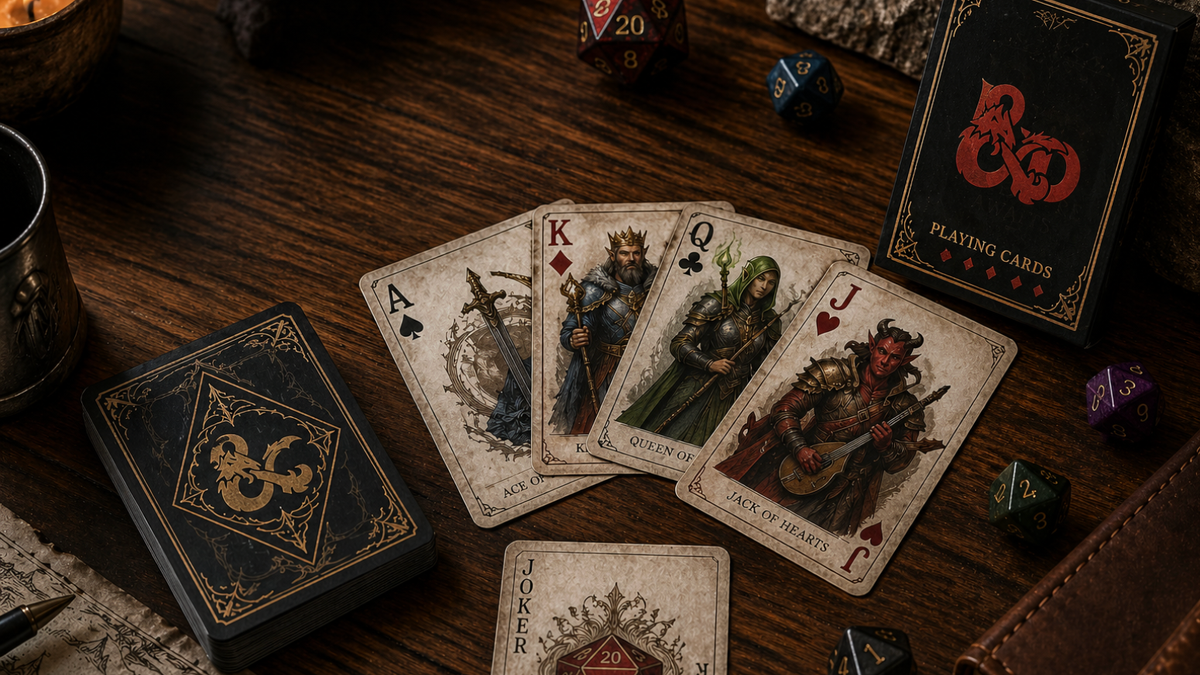
Custom D&D playing cards are a powerful way to bring your tabletop experience to life. Whether you're a Dungeon Master looking to streamline gameplay or a creator building a themed product, turning spells, items, and characters into physical cards adds immersion, organization, and visual impact.
From planning your deck to selecting materials and printing, this guide walks you through how to create custom D&D playing cards for your campaign — even if you’re starting from scratch.
Why Use D&D Playing Cards in Your Campaign
Enhance Gameplay and Immersion
Dungeons & Dragons is all about storytelling, and physical elements can deepen that experience. Custom decks allow players to interact with spells, abilities, and items in a tactile way instead of constantly referencing notes or rulebooks.
Imagine being able to splay your cards across the table — each one representing a spell, weapon, or magical effect. It transforms gameplay into something more visual and engaging, much like the art of play seen in premium tabletop experiences.
These cards don’t just organize information — they enhance immersion and make every session feel more dynamic.
Organize Spells, Items, and Characters
D&D campaigns can get complex quickly. With multiple characters, inventories, and abilities, it’s easy to lose track of important details.Custom cards help simplify everything:
- Spell cards for quick reference
- Item cards for loot tracking
- NPC cards for storytelling and encounters
Instead of flipping through pages or logging notes digitally, players can simply pull out the card they need. It’s faster, cleaner, and keeps everyone focused on the game.
Step 1 – Plan Your D&D Card Deck
Decide What Your Cards Will Represent (Spells, Items, NPCs, etc.)
Start by deciding what your cards will actually represent. Common categories include:
- Spells and abilities
- Weapons and magical items
- Monsters or NPCs
- Status effects or conditions
You can create a single themed deck or multiple editions for different parts of your campaign. Some creators even release expansion sets that can be added later — similar to how collectible decks evolve over time.
Determine Card Count and Structure
Next, think about how many cards you need. Will your deck include:
- 20–30 essential cards?
- 50+ cards for a full system?
- Multiple sets organized by category?
Your structure should match your gameplay style. For example, a spell deck might be organized by class or level, while an item deck could be grouped by rarity.Planning this early helps you stay consistent during the design phase.
Define Your Audience (Players, Dungeon Masters, or Fans)
Who are you creating these cards for?
- Dungeon Masters who need tools to run sessions
- Players who want quick access to abilities
- Fans who may want to purchase or collect themed cards
If you plan to sell your deck, think about how users will interact with it — from browsing a product page to clicking “add to cart” and completing a purchase. Understanding your audience helps shape both design and usability.
Step 2 – Design Your D&D Playing Cards
Front and Back Layout Ideas for D&D Cards
Each card should have a clear purpose and layout:
- Front: Name, artwork, and key information
- Back: Consistent design, logo, or thematic pattern
Keep layouts clean and readable. For example:
- Spell cards might include casting time, range, and effects
- Item cards might feature stats, rarity, and descriptions
Consistency across your deck is essential — it makes the cards easier to use during gameplay.
Artwork, Icons, and Fantasy-Themed Design Elements
Design is where your deck truly comes to life. Use:
- Fantasy-style artwork
- Icons for quick recognition
- Color coding for different categories
Even simple design elements can elevate your cards. You don’t need professional-level art — just cohesive visuals that match your theme.
If you’re building something for sale, strong design can make your deck stand out and avoid being overlooked in a crowded market.
Using Templates and Design Tools
You don’t need to be a professional designer to get started. Many creators use:
- Canva or similar tools
- Photoshop or Illustrator
- Online design editors provided by printing platforms
Templates ensure your cards are aligned properly for printing, with correct dimensions, bleed, and spacing.
Using templates also reduces errors and speeds up the process — especially if you’re managing a large number of cards.
Step 3 – Choose Materials and Finishes
card stock Options (Paper vs. Plastic)
The quality of your card stock affects both durability and feel.
- Paper card stock: Traditional, flexible, and ideal for most campaigns
- Plastic cards: More durable, waterproof, and long-lasting
For most D&D playing cards, high-quality paper stock offers the best balance between usability and cost.
Finishes: Matte, Gloss, Linen, or Foil Effects
Finishes enhance both appearance and performance:
- Matte: Smooth and easy to read under lighting
- Gloss: Bright colors and sharp visuals
- Linen: Textured for better grip and shuffling
- Foil: Adds premium highlights for special cards
If you’re creating a collector-style edition, premium finishes like foil can increase perceived value.
Durability for Frequent Gameplay
D&D cards are handled often — shuffled, passed around, and used repeatedly. That means durability matters.Choose materials and finishes that:
- Resist bending
- Maintain print quality
- Provide smooth handling
A well-made deck ensures your cards stay usable throughout long campaigns.
Step 4 – Prepare Files and Print Your Cards
File Formats and Image Resolution
Before sending your designs to print, make sure they meet professional standards. Most printers accept:
- PDF (preferred)
- PNG (high-resolution images)
- AI or PSD (layered files)
Always use at least 300 DPI resolution to ensure your cards look sharp and professional.
Bleed, Trim, and Safe Zones
Proper file setup is critical:
- Bleed: Extend artwork beyond edges
- Trim line: Final cut boundary
- Safe zone: Keep important content inside
These guidelines prevent cutting errors and ensure your cards look polished after printing.
Proofing and Sample Decks
Before committing to a full run, review a proof:
- Digital preview (PDF)
- Physical sample deck
Testing a sample allows you to check:
- Color accuracy
- Layout alignment
- Card feel
This step is essential — especially if you plan to sell your deck or promote it through your account or storefront.
Step 5 – Packaging and Using Your Cards in Gameplay
Tuck Boxes, Storage, and Organization
Your cards need proper storage. Common options include:
- Tuck boxes for standard decks
- Storage boxes for larger sets
- Sleeves for protection
Good packaging protects your cards and enhances presentation — especially if your deck is available for sale.
Integrating Cards into Your Campaign Mechanics
Once printed, your cards can become a core part of your campaign:
- Use spell cards during combat
- Hand out item cards as loot
- Track NPC interactions with character cards
Players can physically interact with the game, making sessions more engaging and organized.Over time, your deck may evolve — expanding into new editions or variations based on your campaign.
Conclusion
Creating custom D&D playing cards is a powerful way to enhance gameplay, improve organization, and bring your ideas to life. From planning your deck to designing and printing, each step contributes to a final product that’s both functional and immersive.
Whether you’re building a personal campaign tool or a product for sale, the right design, materials, and structure make all the difference.
With the right approach, your cards won’t just support your game — they’ll become part of the experience.
Ready to Create Your Own Custom D&D Playing Cards?
Explore professional templates, premium materials, and flexible printing options at Mr. Playing Card — everything you need to design, print, and launch your custom D&D card deck with confidence.
Whether you're designing a single prototype or launching a full product line, our platform makes it easy to bring your ideas to life.
Start your project today and turn your campaign into a deck of cards players will remember.
FAQs (Frequently Asked Questions)
What size should D&D playing cards be?
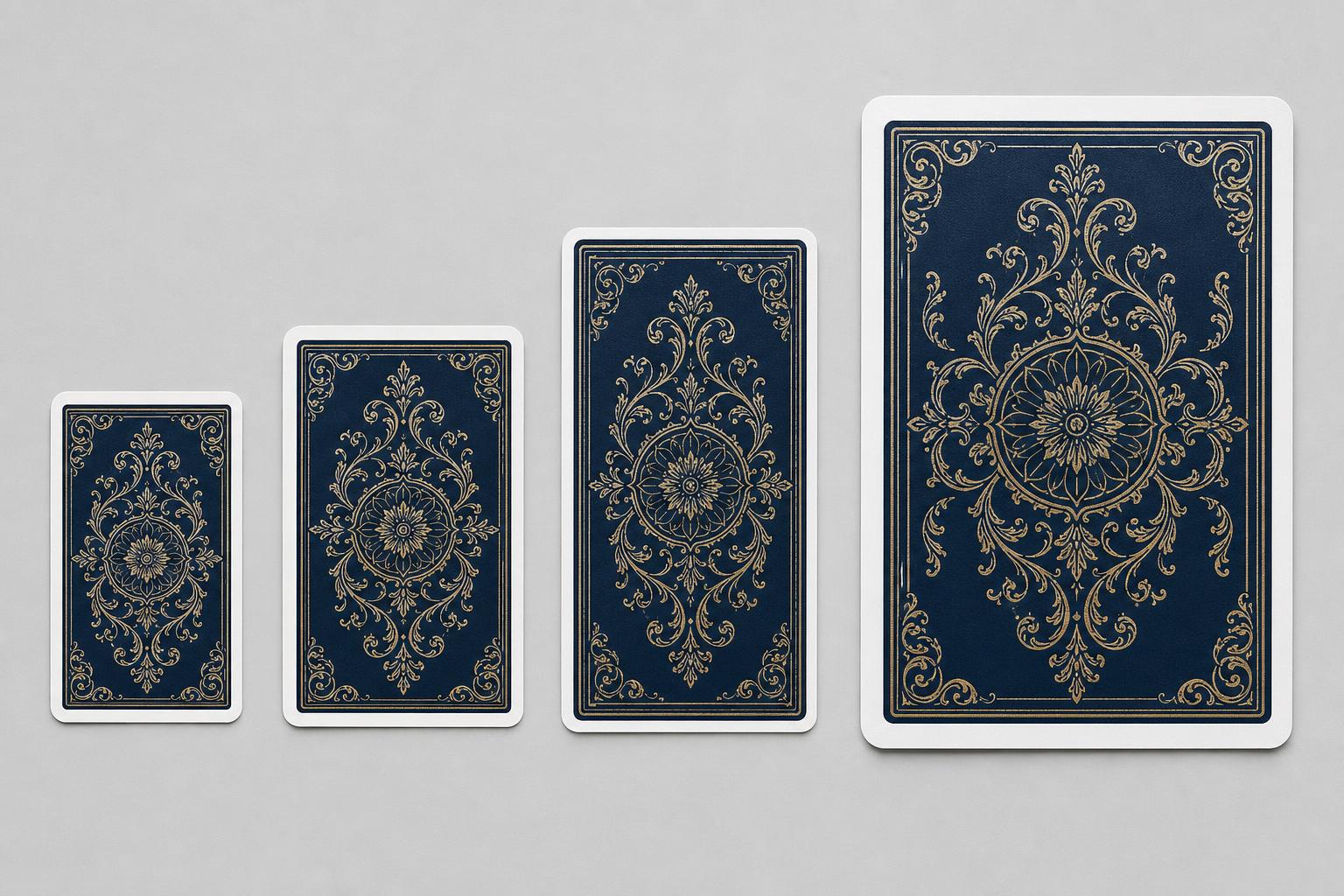
Most cards use standard poker size (2.5" x 3.5"), but custom sizes are also available depending on your design.
Can I create unique designs for every card?
Yes. Each card can feature different artwork, text, and layouts, making it ideal for spells, items, and characters.
Do I need to be an artist to design D&D cards?
No. Templates and online design tools make it easy to create professional-looking cards without advanced skills.
What is the minimum order for custom card decks?
Some printers offer no minimums, allowing you to create a single prototype before scaling.
How long does it take to print custom playing cards?
Most orders are completed within 2–4 weeks, depending on quantity and customization.