How to Make MTG-Style Proxy Cards for Testing and Personal Play
Learn how to make MTG-style proxy cards for testing and casual play. Discover design tips, materials, and printing options to create high-quality proxy decks for personal use.
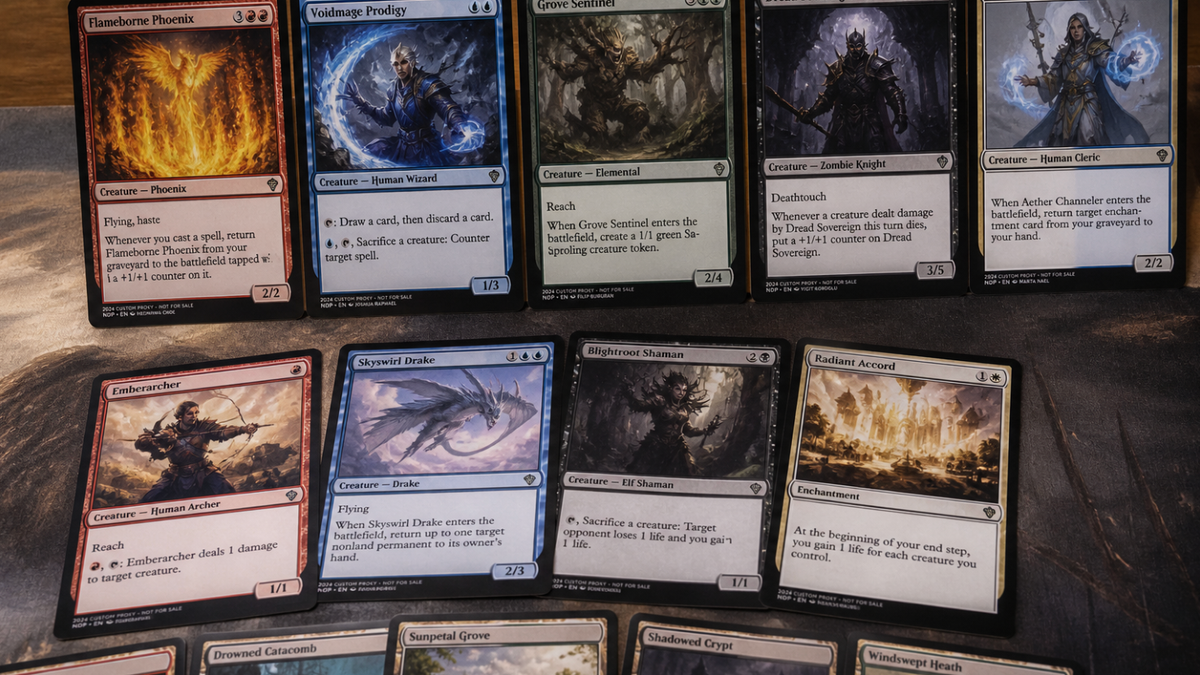
Creating MTG-style proxy cards is a popular way for players to test new strategies, experiment with deck builds, and enjoy casual games without committing to expensive purchases. Whether you're building a temporary deck, exploring new mechanics, or just want a creative project, proxy cards offer flexibility and accessibility.
This guide will walk you through how to design, prepare, and print your own proxy cards for personal use—while keeping everything clear, practical, and aligned with best practices.
What Are MTG-Style Proxy Cards?
Understanding Proxies for Playtesting and Casual Use
MTG proxies (or magic the gathering proxies) are unofficial cards used to represent existing or custom cards in gameplay. They are commonly used for:
- Testing new deck ideas
- Practicing strategies before buying real cards
- Casual play with friends
Unlike official cards, proxies are not intended for resale or tournament use. Instead, they act as placeholders that allow players to experiment freely.
Today, many players create mtg printable proxies or use custom designs to build their own decks at home or through professional proxy card printing services.
When and Why Players Use Proxy Cards
Players use magic proxy deck setups for a variety of reasons:
- Testing high-cost or rare cards before purchasing
- Building multiple decks without duplicating expensive cards
- Trying new formats or strategies quickly
Some also use custom mtg proxies for creative expression—designing unique artwork or themed decks that reflect personal style.
While there are many online tools and even a magic proxy site or two that help generate designs, printing your own cards gives you more control over quality and durability.
Step 1 – Plan Your Proxy Card Deck
Decide Which Cards You Want to Recreate or Test
Start by identifying which cards you need for your deck. You might:
- Recreate existing cards for testing
- Design custom cards for homebrew formats
- Build a hybrid deck with both official and proxy cards
If you're experimenting with a full magic proxy deck, list out every card before starting design. This ensures consistency and saves time later. These cards are intended for personal use, playtesting, or casual gameplay—not for resale or use in official events.
Determine Deck Size and Purpose (Testing vs. Casual Play)
Next, define your deck’s purpose:
- Testing: Focus on functionality and clarity
- Casual play: Balance design and usability
- Creative projects: Emphasize visuals and uniqueness
Standard decks typically include 60 cards, but Commander-style decks may include 100. Your structure should match your intended format.
Personal Use vs. Collectible or Display Cards
It’s important to distinguish between:
- Personal-use proxy cards
- Display or artistic cards
- Products intended for sharing or showcasing
Proxy cards are best suited for personal or casual environments. If you're designing something more polished, you can still maintain originality without directly replicating official designs.
Step 2 – Design MTG-Style Proxy Cards
Creating Card Layouts Inspired by Trading Card Games
When designing your cards, take inspiration from traditional trading card layouts:
- Title at the top
- Artwork in the center
- Text box for abilities or effects
- Stats or identifiers at the bottom
The goal is familiarity. Players should be able to quickly understand the card during gameplay.
Artwork, Text, and Readability Considerations
Clarity is key when designing magic the gathering proxy cards. Keep these tips in mind:
- Use high-contrast text for readability
- Avoid overcrowding the design
- Keep font sizes legible
If you're designing custom mtg proxies, make sure your artwork enhances—not distracts from—the gameplay experience.
Using Templates and Design Tools
You don’t need advanced design skills to get started. Many creators use:
- Canva or similar tools
- Photoshop or Illustrator
- Online editors from a magic proxy site
Templates are especially helpful because they include proper dimensions, spacing, and alignment guides. This ensures your cards print correctly and look professional.
Step 3 – Choose Materials and Finishes
card stock Options (Paper vs. Plastic)
The material you choose affects both durability and feel:
- Paper card stock:
- Traditional and cost-effective
- Flexible and easy to shuffle
- Plastic cards:
- Waterproof and highly durable
- Ideal for long-term use
Most players prefer high-quality paper stock for proxy decks, as it closely matches the feel of standard playing cards.
Finishes: Matte, Gloss, Linen, or UV Coating
Finishes enhance both appearance and usability:
- Matte: Reduces glare and improves readability
- Gloss: Enhances color vibrancy
- Linen: Adds texture for better grip
- UV coating: Provides extra protection and durability
For mtg proxies, matte or linen finishes are often preferred because they handle well during gameplay.
Durability for Shuffling and Gameplay
Since proxy cards are frequently handled, durability matters. Look for materials that:
- Resist bending and wear
- Maintain print quality over time
- Shuffle smoothly
A well-made deck improves the overall play experience and prevents frustration during long sessions.
Step 4 – Prepare Files and Print Your Cards
File Formats and Image Resolution
Before printing, ensure your files meet professional standards. Most services accept:
- PDF (recommended)
- PNG (high-resolution images)
- AI or PSD (layered files)
Always use at least 300 DPI resolution to avoid blurry prints. This is especially important when printing detailed artwork or text-heavy cards.
Bleed, Trim, and Safe Zones
Proper formatting prevents printing errors:
- Bleed: Extend artwork beyond edges
- Trim line: Final cut boundary
- Safe zone: Keep text away from edges
Using templates ensures your cards are aligned correctly and prevents important details from being cut off.
Proofing and Sample Decks
Before printing your full deck, review a proof:
- Digital previews for layout and color
- Physical samples for feel and quality
Ordering a sample is highly recommended when printing proxies, especially if you plan to use them regularly.
Step 5 – Using Proxy Cards in Gameplay
Playtesting Deck Builds and Strategies
Proxy cards are ideal for testing:
- New deck combinations
- Experimental strategies
- High-cost or rare cards
With custom proxies, you can quickly adjust your deck without financial commitment. This flexibility is one of the biggest advantages of using proxy cards.
Best Practices for Casual and Friendly Play
When using magic proxies, follow a few simple guidelines:
- Use them only in casual settings
- Communicate with your playgroup
- Avoid confusion by keeping designs clear
Some players also explore tools like proxy king mtg or other platforms for inspiration, but printing your own cards gives you full creative control and better quality.
Conclusion
Creating MTG-style proxy cards is a practical and creative way to enhance your gameplay experience. Whether you're testing a new deck, experimenting with strategies, or designing something unique, proxies give you the flexibility to explore without limitations.
By planning your deck, designing clear layouts, choosing the right materials, and preparing your files correctly, you can produce high-quality cards that perform well and look great.
With the right approach, your proxy cards become more than placeholders—they become tools that improve how you play and experiment with your deck.
Ready to Create Your Own Custom MTG-Style Proxy Cards?
Explore professional templates, premium materials, and flexible printing options at Mr. Playing Card. Whether you're testing a new deck or designing a creative project, their platform makes it easy to bring your ideas to life.
Start designing your custom proxy cards today and turn your deck ideas into high-quality cards you can actually play with.
FAQs (Frequently Asked Questions)
Are MTG proxy cards legal to use?
Proxy cards are generally acceptable for personal use and casual play, but they are not allowed in official tournaments or sanctioned events.
Can I print proxy cards that look exactly like official cards?
It’s best to avoid exact replicas. Instead, create original designs or clearly modified versions for personal use.
What size should MTG-style cards be?
Standard size is 2.5" x 3.5" (poker size), which fits most sleeves and accessories.
What materials are best for proxy cards?
High-quality paper card stock with a matte or linen finish is ideal for gameplay and durability.
Can I order a sample deck before printing more?
Yes. Many printing services allow you to order a single sample deck to test quality before placing a larger order.