Design Your Own Custom Baseball Cards: A Complete Guide
Learn how to design and print custom baseball cards with this complete guide. From card size and materials to finishes and packaging, discover how to create personalized baseball trading cards.
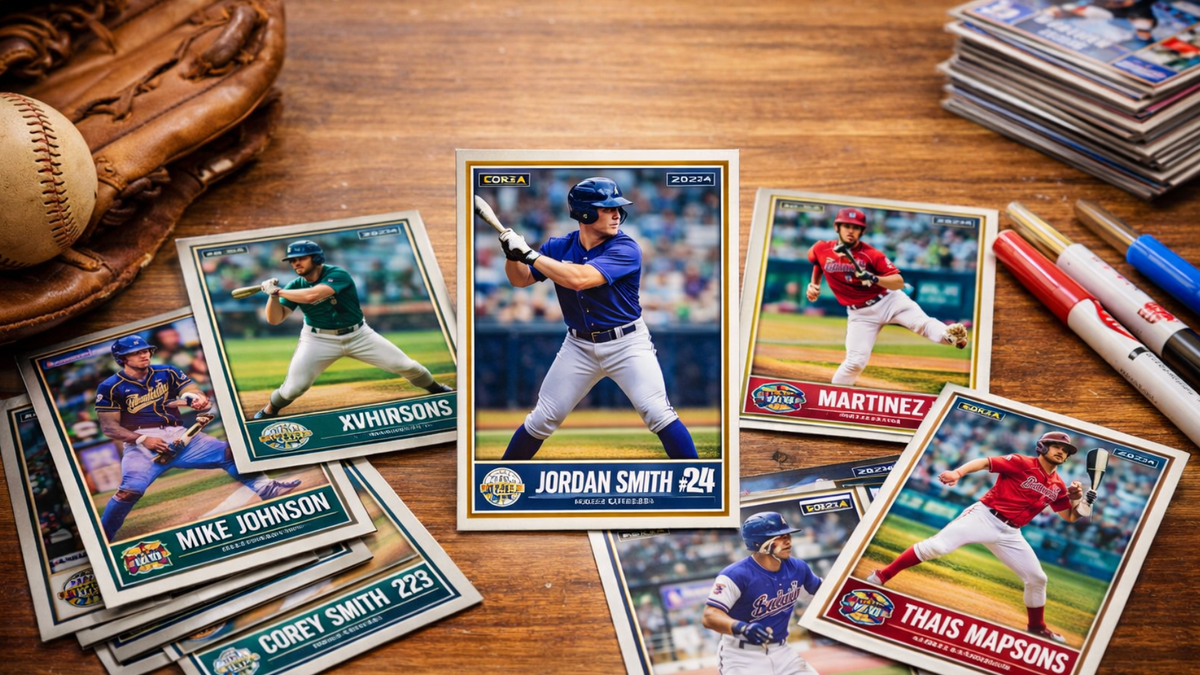
Whether you're a coach, parent, collector, or business owner, creating your own custom baseball cards is a fun and powerful way to celebrate players, promote a brand, or build a memorable product. From youth teams to professional-style collectibles, modern printing makes it easier than ever to design and produce high-quality cards.
In this guide, we’ll walk you through everything you need to know to create your own custom baseball cards — from concept to final print.
Why Custom Baseball Cards Are So Popular
A Nostalgic Collectible with Modern Appeal
The classic baseball card has been a staple of American culture for decades. Inspired by iconic brands like Topps custom cards, today’s creators can recreate that same nostalgic feel while adding modern design elements, vibrant colors, and personalized details.
What used to be limited to big manufacturers is now accessible to anyone — whether you want to create your own baseball card for fun or build a full product line of custom baseball trading cards.
Perfect for Gifts, Teams, and Promotions
Custom cards are incredibly versatile. You can use them for:
- Youth team keepsakes
- Birthday or holiday gifts
- Corporate promotions
- Event giveaways
They’re more interactive and memorable than standard printed materials, and they offer lasting value. A well-made card becomes something people keep, trade, and display.
Turning Players, Fans, and Brands into Collectibles
With the rise of personalized baseball trading cards, anyone can become part of a collectible series. Whether it’s a little league player, a coach, or even a brand ambassador, turning real people into cards creates emotional connection and engagement.
This is why businesses and creators are increasingly using custom sports card maker platforms to produce unique campaigns and products.
Step 1 – Define Your Purpose and Audience
Personal Keepsakes vs. Team Cards vs. Business Use
Start by identifying your goal. Are you looking to:
- Make your own sports card as a gift?
- Create a full team set?
- Launch a branded product?
Your purpose will influence everything from card stock to packaging and quantity. For example, a single keepsake card may prioritize design, while a business order focuses on scalability and cost.
Youth Teams, Events, or Collector Editions
Custom cards are especially popular for:
- Youth baseball and softball teams
- School events and tournaments
- Limited-edition collector sets
For team projects, consistency across all cards is key — same layout, same format, and cohesive branding. For collector editions, you may want to add special finishes like uv coating or foil to increase perceived value.
Quantity, Budget, and Distribution Goals
Before you start designing, determine:
- How many cards or sets you need
- Your target budget
- How the cards will be distributed (gifts, retail, online sales)
Small runs are great for testing, while larger print runs reduce cost per card. Many services now offer flexible options, including short runs with reasonable turnaround time.
Step 2 – Choose the Right Card Size and Format
Standard Baseball Card Dimensions Explained
The standard baseball card size is:
- 2.5" x 3.5" (poker size)
This is the same size used in most collectible and card game formats, making it ideal for compatibility with sleeves, binders, and storage systems.
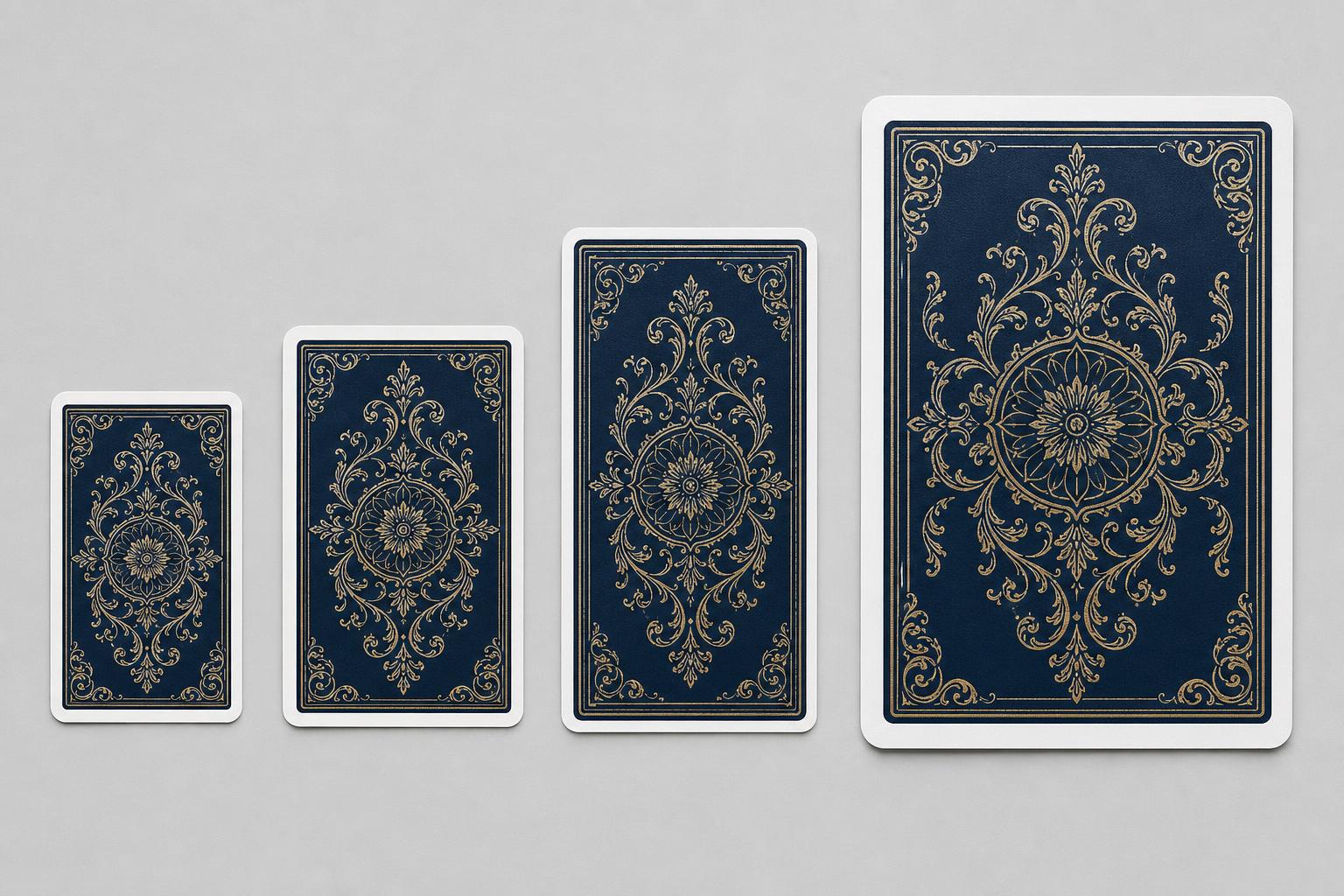
Vertical vs. Horizontal Layout Options
Most traditional cards use a vertical layout, but horizontal designs are becoming more popular — especially for action shots or landscape photography.Your layout should match your content:
- Portrait photos → vertical cards
- Action shots → horizontal cards
Both formats can work well for baseball custom cards depending on your creative direction and the story you want your cards to tell.
Custom Sizes and Specialty Formats
If you want to stand out, consider custom dimensions. Larger cards, square formats, or die-cut shapes can give your custom sports card a unique look.
Just keep in mind that non-standard sizes may require custom packaging (like a protective bag or box) and may not fit traditional storage options.
Step 3 – Design Your Custom Baseball Cards
Front Design: Player Photos, Stats, and Logos
The front of your card is where you make your first impression. Include:
- High-quality player photo
- Name and team
- Position or number
- Logo or branding elements
Make sure your image resolution is at least 300 DPI to ensure sharp, professional results. Blurry images can ruin an otherwise great card.
Back Design: Player Info, Stats, and Branding
The back of the card is just as important. This is where you can add:
- Player statistics
- Fun facts or achievements
- Season highlights
- Brand messaging or contact info
A well-designed back adds authenticity and mirrors the feel of traditional baseball card collections.
Using Templates and Design Tools (Canva, Photoshop, etc.)
You don’t need to be a professional designer to create great-looking cards. Many creators use:
- Canva (drag-and-drop simplicity)
- Photoshop or Illustrator for advanced editing
- Online tools from a custom sports card maker
Most printing platforms provide templates in common file format options like PDF or PNG. These templates ensure proper alignment, bleed, and sizing — helping your designs print correctly the first time.
Step 4 – Select Materials and Finishes
Card Stock Options (Paper vs. Plastic)
The quality of your card stock plays a huge role in how your custom baseball cards feel and perform. Most cards are printed on:
- Paper card stock: The most common option, offering a traditional feel similar to classic baseball card collections
- Plastic cards: More durable, waterproof, and resistant to bending — ideal for long-term use or premium sets
For most projects, a high-quality coated paper stock provides the perfect balance of durability, flexibility, and professional appearance.
Finishes: Gloss, Matte, UV Coating, or Foil
Finishes enhance both the look and longevity of your cards:
- Gloss: Bright, reflective, and great for vibrant colors
- Matte: Smooth, modern, and easier to read under lighting
- UV coating: Adds a protective layer that improves durability and makes colors pop
- Foil accents: Adds shine and premium appeal to logos or highlights
Adding lamination or UV coating is especially helpful for cards that will be handled frequently, traded, or displayed.
Durability for Handling, Trading, and Collecting
Unlike standard paper products, baseball cards are meant to be handled — shuffled, traded, and collected over time. That’s why durability matters.
Choosing the right combination of card stock, coating, and finish ensures your custom sports card holds up over time without fading, bending, or wearing down.
Step 5 – Prepare Print-Ready Files
File Formats (PDF, PNG, AI, PSD)
Before sending your designs to print, make sure your files are in the correct file format. Most printers accept:
- PDF (preferred for print accuracy)
- PNG (high-resolution images)
- AI or PSD (for layered designs)
Using the correct format ensures your custom cards print exactly as intended.
Image Resolution, Bleed, and Safe Zones
For professional-quality results:
- Use at least 300 DPI image resolution
- Add a bleed area (typically 1/8") to avoid white edges
- Keep important content within the safe zone
These steps are essential for clean cuts and sharp visuals — especially when producing custom baseball trading cards.
Reviewing Proofs Before Printing
Always review a digital or physical proof before final production. This allows you to:
- Check alignment and spacing
- Verify colors and text
- Catch any design errors
Ordering a sample or proof is a smart step — especially if you’re creating a full set or selling your cards.
Step 6 – Packaging and Presentation
Sleeves, Boxes, and Protective Cases
Proper packaging protects your cards and enhances presentation. Options include:
- Individual sleeves
- Rigid or tuck box packaging
- Protective cases for collector sets
For retail or gifting, presentation can be just as important as the card itself.
Adding Stickers, Inserts, or Sets
To elevate your product, consider adding:
- Branded stickers
- Info cards or inserts
- Complete themed sets
These extras increase perceived value and help your custom baseball cards stand out in a competitive market.
Creating Complete Collector Sets
Instead of a single card, many creators produce full sets of custom sports cards. This is especially effective for:
- Team rosters
- Event collections
- Limited-edition releases
Bundling cards into a set also makes them easier to package, sell, and display.
Where to Print Custom Baseball Cards
What to Look for in a CardPrinting Service
When choosing a printer, look for:
- High-quality printing capabilities
- Multiple material and finish options
- Flexible order quantities
- Reliable turnaround time
- Strong customer support
A good printing partner will help ensure your project runs smoothly from start to finish.
Why Mr. Playing Card Is a Trusted Choice
Mr. Playing Card is a leading provider for custom baseball cards, offering:
- Professional-grade materials and finishes
- Easy-to-use templates and upload tools
- No minimum order quantities
- Fast and reliable production (including options made in USA)
Whether you're creating a single prototype or a full production run, they make it easy to make your own baseball card with confidence.
Templates, No Minimums, and Fast Turnaround
With ready-to-use templates and flexible ordering, you can:
- Upload your design and preview instantly
- Order a single sample or bulk sets
- Receive your cards quickly with dependable turnaround
Their streamlined process helps both beginners and professionals create high-quality custom sports card products.
Conclusion
Designing your own custom baseball cards is a powerful way to combine creativity, nostalgia, and branding. Whether you're creating a keepsake, a team set, or a product line, the right design choices and printing partner make all the difference.
From selecting the right card stock and finishes to preparing your files and choosing professional packaging, every step contributes to a polished final product.
With today’s tools and services, it’s easier than ever to create your own baseball card — and turn your ideas into something tangible, collectible, and memorable.
Ready to Bring Your Custom Baseball Cards to Life?
Visit Mr. Playing Card to explore professional templates, premium materials, and flexible printing options designed for creators of all levels. Whether you're making a single keepsake or a full set of personalized sports cards, their platform makes it simple from start to finish.
Start your project today and create custom baseball cards with confidence — creating something players, fans, and collectors will truly value.
FAQs (Frequently Asked Questions)
What size are standard baseball cards?
Standard baseball cards are typically 2.5" x 3.5", the same size as a poker-style playing card.
Can I print different players on each card?
Yes! You can create unique designs for each card in your set — perfect for teams, events, or custom baseball trading cards collections.
What’s the best finish for baseball cards?
Gloss and UV coating are popular for vibrant colors, while matte offers a softer, more modern look. The best choice depends on your design and intended use.
Can I order a small batch or sample set?
Absolutely. Many printers offer low or no minimum orders, allowing you to test a prototype before committing to larger quantities.
Are custom baseball cards good for teams or events?
Yes — they’re perfect for youth teams, tournaments, promotional events, and gifts. Personalized baseball trading cards create lasting memories and engagement.